
PRSA ECD 2026 Conference: “Built on Hustle” Recap
How PRSA Hustles – A Conversation with PRSA
Matthew Marcial, APR, PRSA CEO, and Heide Harrell, APR, 2026 PRSA Chair
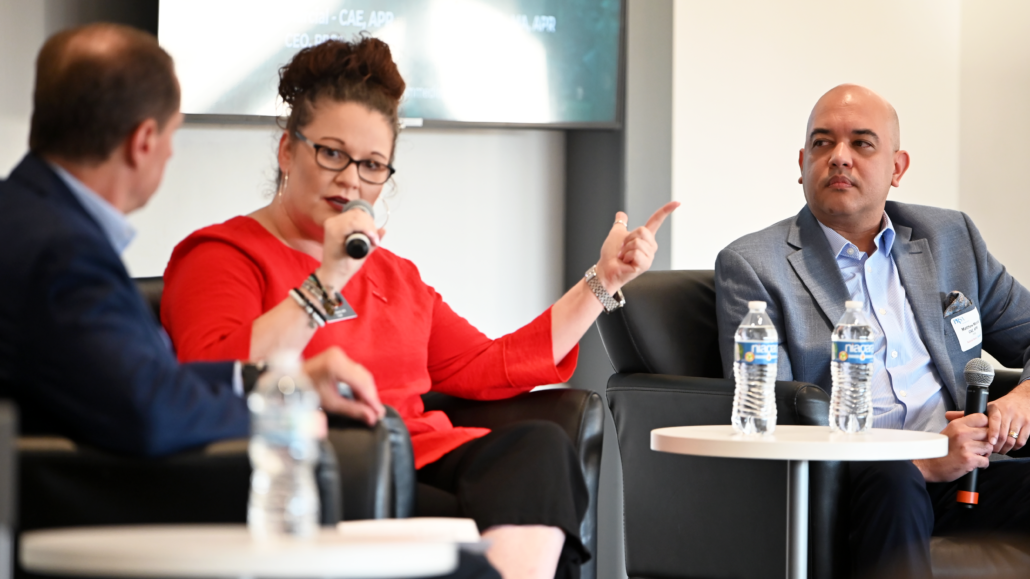
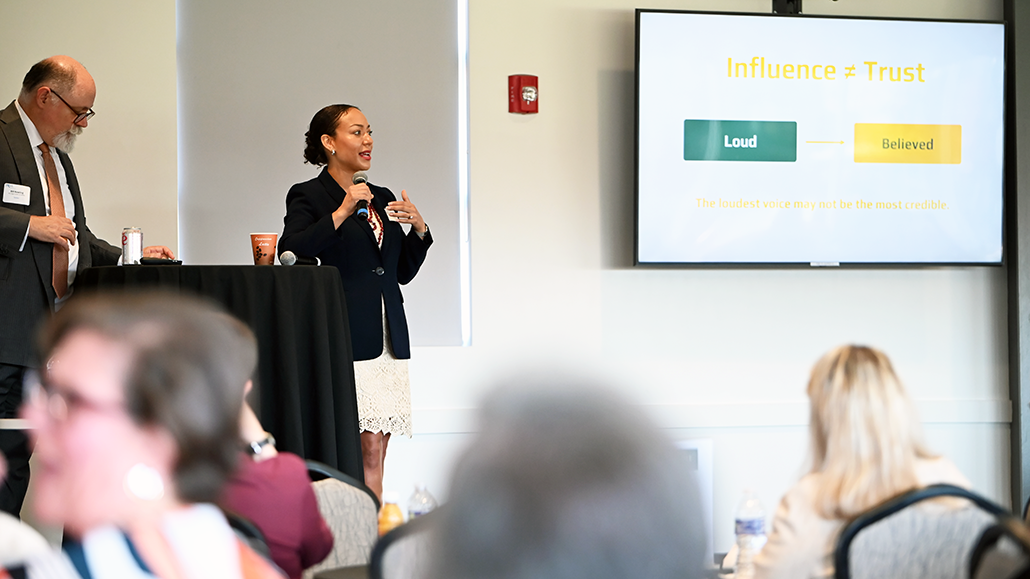
Crisis Communication: Faster with AI, Better with Humans
Bill Nowling, Professor of Practice & Director, College of Communication Arts & Sciences, Michigan State University; Rian English Barnhill, Vice President of Government and Community Affairs, Olympia Development
Generative AI is rapidly reshaping public relations, especially how practitioners monitor emerging issues, analyze stakeholders, plan scenarios, draft messages and respond across channels. These tools can provide capacity, especially valuable for small teams and independent practitioners. PR pros have long argued that their value lies between their ears, even as much of their work has been measured by what comes from their fingertips. AI may change that bargain.
- Understanding where AI is taking the profession. They examined how AI is changing issue monitoring, scenario planning, stakeholder analysis, drafting, localization, internal coordination and crisis response, including the new capacity it can provide to small firms and independent practitioners.
- Turn efficiency into human capacity. Attendees learned how time saved through AI can be reinvested in listening, relationship-building, cultural understanding, stakeholder representation, strategic counsel and more thoughtful decision-making.
- Keep trust and accountability human. The audience received tips on recognizing where lived experience, empathy, local knowledge, organizational responsibility and credible action remain essential to effective issues and crisis communication.
Communication Evolution: From PR to Integrated Marcomms
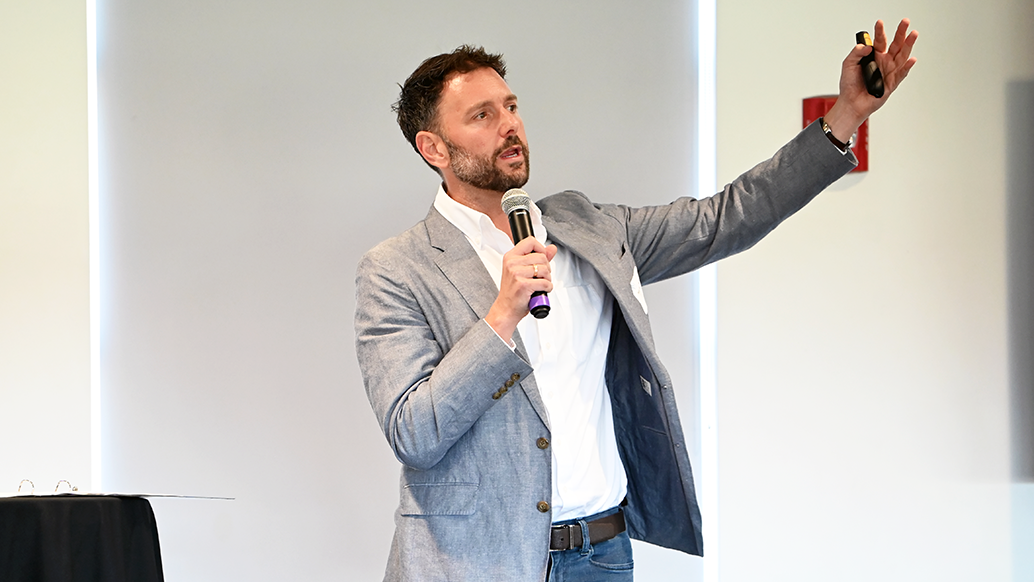
Peter VanDyke, CEO and Founding Partner, VVK PR + Creative
As the communication landscape shifts, PR professionals must evolve to think like integrated marketers. Peter broke down how to make this transition happen, providing steps to help PR practitioners build integrated, multi-channel strategies for their organizations or clients.
- Plummeting attention spans – Dropped from 3 to 4 minutes to just 45 seconds.
- Trust dispersed to new sources – Substack leading, along with podcasts.
- Demand is growing for human stories.
- Ongoing rise of video and audio formats – 82 percent of online audiences are watching videos.
- Understand the context. What is happening? (Business priorities, communications environment, stakeholder needs.)
- Find the insight. What does it mean? (Identify the central opportunity, risk or challenge.)
- Establish a point of view. What should we do—and why? (Define the priority and recommendation.)
- Build the communications strategy. Who must we reach, and what must change? (Set audiences, messages, objectives and success measures.)
- Activate as one team. What combination will deliver the strategy? (Bring together PR, executive positioning, video, digital/content, stakeholder engagement, etc.)
- Measure and refine. What are we learning? (Evaluate reach and outcomes; adapt as needed.)
- Strategy begins with the relationship. Who is the customer? What audiences and outcomes shape the assignment?
- Don’t default to old habits. Integrated thinking is rarely automatic. A tactical request should begin a strategic conversation rather than trigger an old solution.
- Deep listening matters more than ever. Understand the organizational context and stakeholder needs before advising.
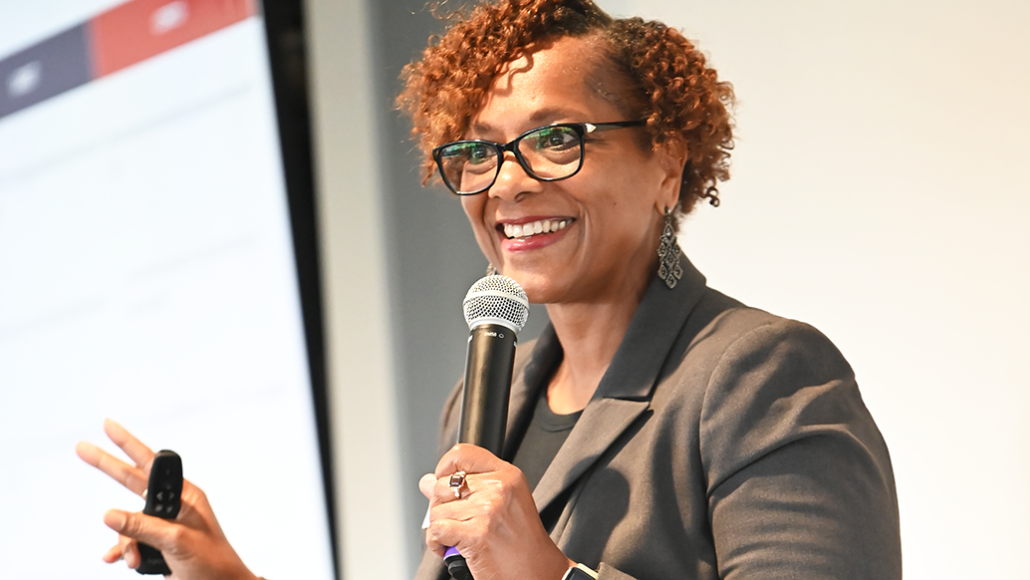
Navigating a Polarized Public Arena: When to Speak Out and When to Keep Silent
Karen Swim, APR; Founder, Words For Hire
In today’s increasingly polarized environment, communicators face a difficult question: When should a brand speak up—and when is it smarter to stay silent?
- Does this position align with our actual mission, strategy and values?
- Can we meaningfully influence the issue?
- How will our key constituencies respond?
From Disruption to Advantage: An AI Playbook for Comms Leaders
Amanda Carl-Pratt, Head of External Communications, Google DeepMind
Amanda opened by stating that AI could be one of the most important inventions in history. The next decade could be one of the most extraordinary periods in our time, when AI promises to change the way all of us live and work. The world has gone through two massive economic and technical shifts in recent history: the industrial revolution and the information revolution. Google DeepMind believes that AI will be 10 times more impactful than the industrial revolution and happen 10 times faster.
- Always invite AI to the table. Always have it open; it’s your new word processor.
- Be the human in the loop. AI will be better at a lot of parts of your job, but it won’t be better at the parts of your job that you actually enjoy doing.
- Treat AI like a human, but tell it what kind of human to be. Expect it to be an ongoing conversation and a long conversation.
- Assume this is the worst AI you will ever use.
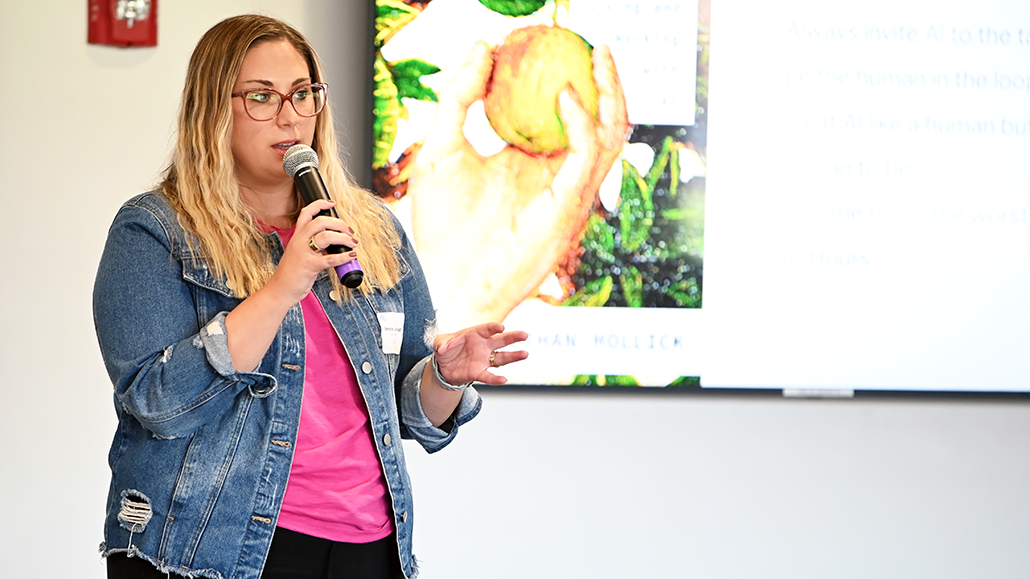
She also gave suggestions on how to get started with using AI:
- Be curious and experiment
- Be patient
- Focus on pain points
- Always have AI open
- Owned (e.g., blogs, thought leadership pieces) content is used more than paid content
- Journalism matters – and AI tends to pull stories more from Axios and Forbes (so pitch to those)
- Reddit and LinkedIn are strong AI sources
- Timeliness matters – AI pulls from content that is 12 months old or newer
- Be direct, don’t speak in hyperbole
- Don’t pretend to know what you don’t know
- There are no absolutes right now
- Demonstrate the benefit
- Read the room, understand external narratives
- Know where/when to deploy AI
- Upskill (Coursera, Meltwater, etc.)
- Ground in factual data
- Trust but verify
- Sharpen your storytelling and media relations skills – they matter more than ever
- Hone strategic thinking skills
- Become a data interpreter
- Never lose your PR superpower
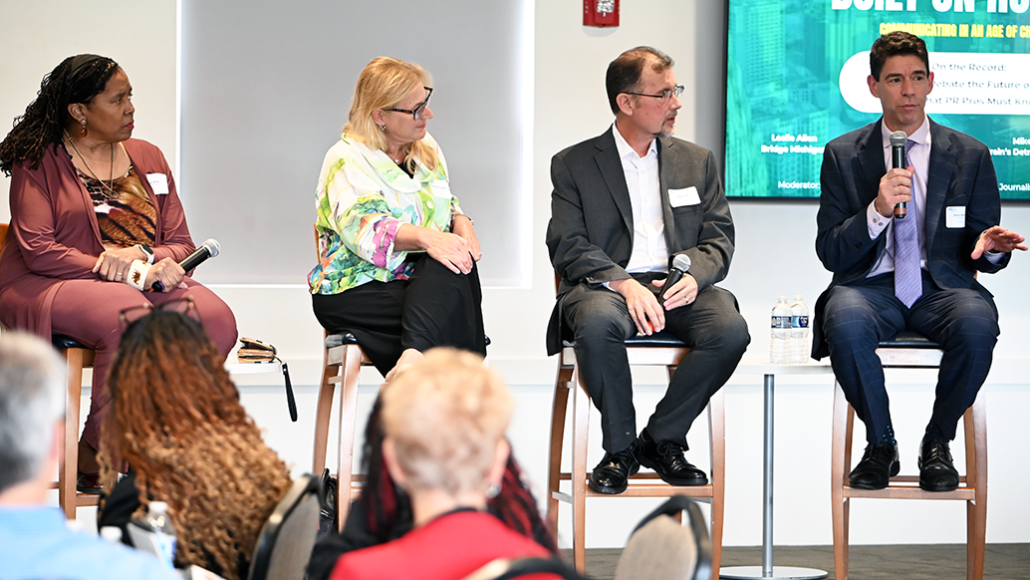
On the Record: Journalists Debate the Future of Media (and What PR Pros Must Know)
Leslie Allen, Bridge Michigan; Phoebe Wall Howard, The Detroit News/Substack; Mike Lee, Crain’s Detroit Business; David Welsh, Bloomberg; Moderator: Alicia Nails, Director, Wayne State University Journalism Institute for Media Diversity
Traditional and emerging news media are evolving into an interdependent ecosystem where they both compete and cooperate, relying on each other to survive and expand their reach.
- Leslie J. Allen, Bridge Michigan (nonprofit newsroom) – They are focusing more on their 10 niche newsletters on topics ranging from business to education.
- Phoebe Wall Howard, The Detroit News/Substack – Digital is read across the country. Think small with story ideas because it resonates. Also, be yourself when developing a pitch.
- Mike Lee, Crain’s Detroit Business – More words in a pitch does not make it better. They also accept photos and work with freelance photographers for bigger stories.
- David Welch, Bloomberg – Pitches must be clear and concise. He gets a lot of emails with tech jargon, and he auto deletes 90 percent of his emails.
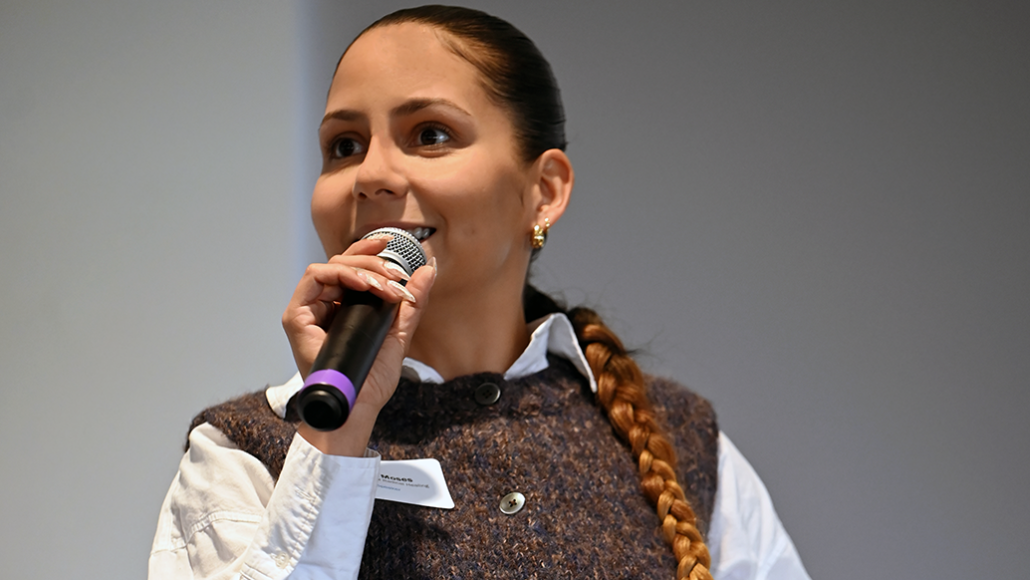
Managing the Hustle: Practical Strategies for Thriving in a Rapidly Changing Profession
Adria Moses, Writer; Trauma-Informed Facilitator; Founder, The School of Radical Healing
Adria Moses concluded the conference by helping us manage the hustle – especially through times of change. According to Adria, our most important professional asset isn’t the media list, crisis plan or strong AI prompt – it is a regulated nervous system. Our autonomic nervous system runs in the background all day, and we cannot turn it off, but we can learn to work with it.
- Regulated (green) – When we are strategic, fully present, think clearly and offer sound judgment.
- Activated (yellow) – When everything is too much. We’re over-explaining. Snapping at colleagues. Having difficulty delegating. Anxiously refreshing screens and writing reactive emails.
- Shutdown (red) – We are checked out and going through the motions. We’re missing deadlines, can’t write and stare at the screen.
- The Transition Reset (for the regulated system). Take one deep breath every time you move between tasks, calls or meetings, so you arrive present instead of carrying the last thing into the next one.
- Physiological Sigh (for the activated system). Double inhale through the nose, followed by a long, slow exhale. This is the fastest nervous system reset. Use it before a difficult call, after a hard email, or in the parking lot before you walk in.
- Feet and Five Senses (for the shutdown system). Put your feet on the floor. Take 10 seconds and name five things you can sense right now. This brings you back from flat and checked out.
- Which state do you spend the most time in, and what does it cost you professionally?
- What is one signal your body gives you before you hit a wall? (e.g., clenched jaw)
- Which of the three tools could live in your workday this week?